Boston Women’s Memorial 10th Anniversary

Some of Susan Wilson’s wonderful photographs of the 10th anniversary of the unveiling of the Boston Women’s Memorial on Commonwealth Avenue. The sculptor, Meredith Bergmann, is also a respected poet, and chose to read a poem for the occasion.

Marie Turley


Marie Turley shepherded the project through all the years of planning and political decisions. 

Meredith reads

The sculptor, Meredith Bergmann, reading a poem she wrote for the celebration.

PHILLIS

A rare opportunity to see the model for an important work of art.
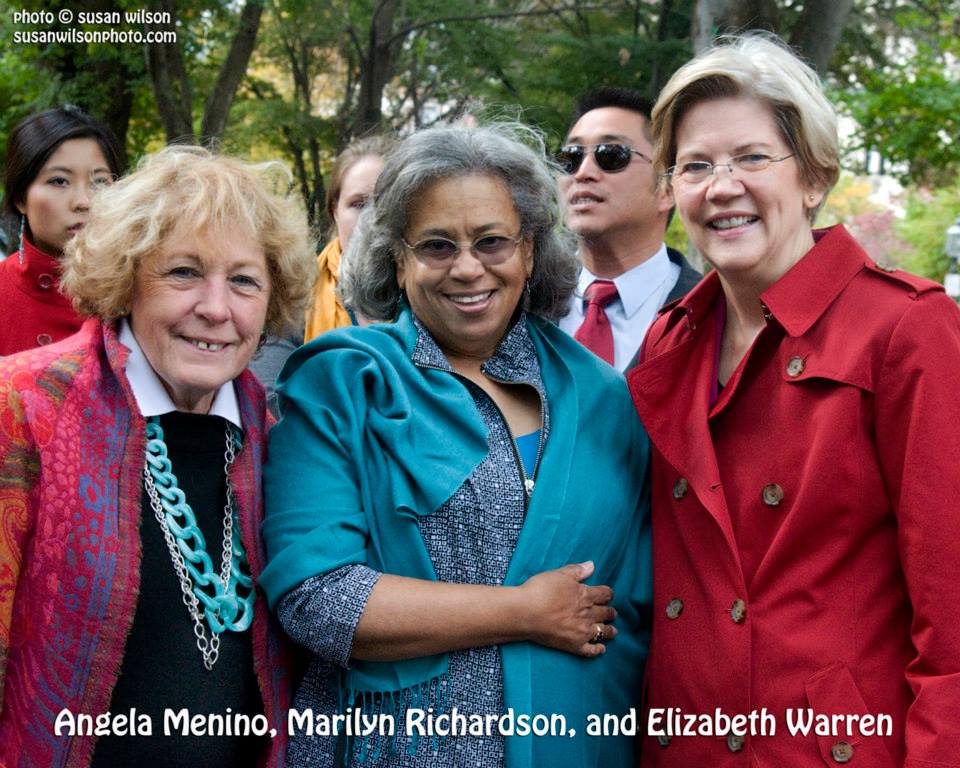
With Senator Warren

Mayor and Mrs. Menino, Senator Warren, major donors, students, and various public figures were all part of the enthusiastic audience.

City Planning?

WHERE I WAS BORN

NEWYORK

WHERE I LIVE NOW

BOSTON

Swords into Modern Plowshares

logo_int
CDF-logo-full-color
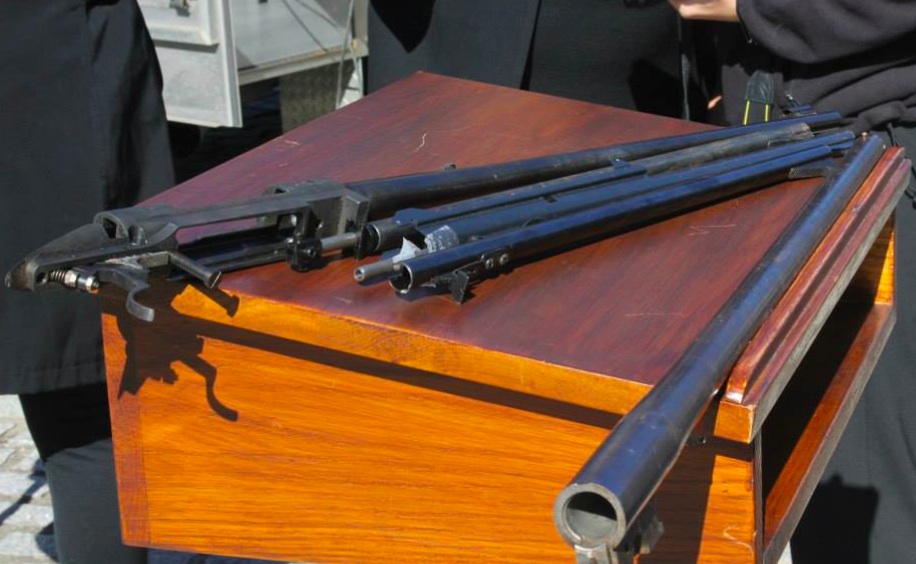
confiscated
Confiscated guns dismantled
barrels
Barrels to be forged
gunsplowshares
Guns become garden tools
 plowshares
[God] shall judge between many peoples, and shall arbitrate between strong nations far away; they shall beat their swords into plowshares, and their spears into pruning hooks; nation shall not lift up sword against nation, neither shall they learn war any more; but they shall all sit under their own vines and under their own fig trees, and no one shall make them afraid; for the mouth of the Lord of hosts has spoken. (Micah 4:1-5)

Winslow Homer’s Studio

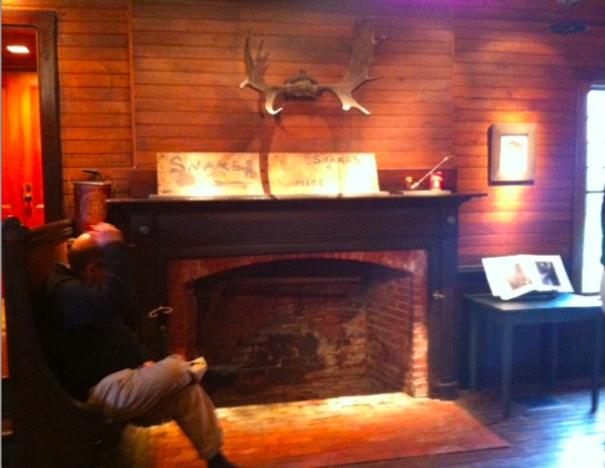
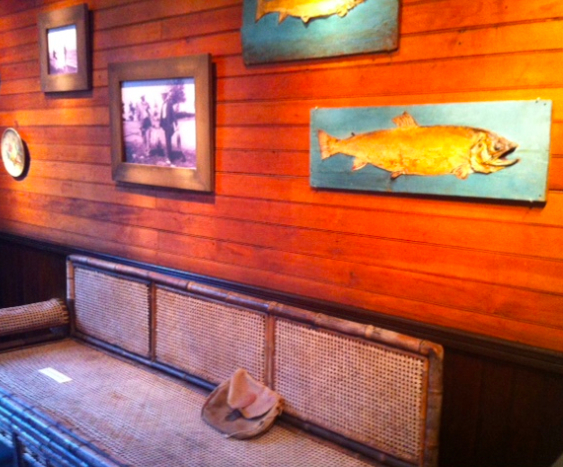
From our wonderful visit to Winslow Homer’s studio at Prout’s Neck, Maine, two weeks ago.

Prout 1prout 3prout 2prout 4prout 5

WEB: New Resource – “Slave Revolt in Jamaica, 1760-1761: A Cartographic Narrative”

Thanks, Camara Dia Holloway

Jessica Marie Johnson's avatar#ADPhD

Slave Revolt in Jamaica, 1760-1761

Vincent Brown (Harvard University) unveils a new resource for studying slavery and slave revolt in Jamaica:

via Slave Revolt in Jamaica, 1760-1761:

This animated thematic map narrates the spatial history of the greatest slave insurrection in the eighteenth century British Empire.  To teachers and researchers, the presentation offers a carefully curated archive of key documentary evidence.  To all viewers, the map suggests an argument about the strategies of the rebels and the tactics of counterinsurgency, about the importance of the landscape to the course of the uprising, and about the difficulty of representing such events cartographically with available sources.  Although this cartographic narration cannot be taken as an exhaustive database—for instance, it does not examine major themes such as belonging and affiliation among the insurgents or the larger imperial context and interconnected Atlantic world— the map offers an illuminating interpretation of the military campaign’s spatial dynamics….

….Mapping the great…

View original post 334 more words

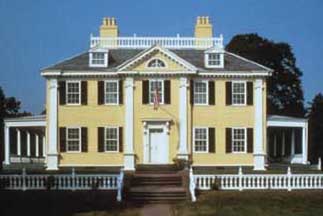
A Longfellow House Memory

lomhfThis is another “scrapbook” entry. A notice of an event some years back that turned up online. This was, and surely will remain among the most distinguished company in which I have ever read. Peter Gomes was on the program, as well, although not listed here. I was on the board of the Friends of the Longfellow House, and editor of The Longfellow House Bulletin. At this celebration of the Library of America volume of L’s collected works, the Park Service staff asked me to read The Children’s Hour. I was honored and quite moved to be asked.

The Boston Globe (Boston, MA) (Sun, 17 Sep 2000) TODAY: J. D. McClatchy, poet and editor of “Henry Wadsworth Longfellow: Poems and Other Writings,” published by the Library of America, hosts an afternoon poetry reading and reception featuring Robert Pinsky, former poet laureate; Robert Reich, former US secretary of labor; novelist Sue Miller; biographer Justin Kaplan; David Ferry, poet and translator; independent curator Marilyn Richardson; and others. The event takes place from 3 to 5 p.m., on the East Lawn, Longfellow National Historic Site, 105 Brattle St., Cambridge.

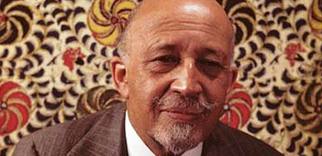
DuBois and The March On Washington

Image

W.E.B. DuBois (1868, Great Barrington, MA – 1963, Accra, Ghana)

From the wonderful Prof. Cheryl Townsend Gilkes:

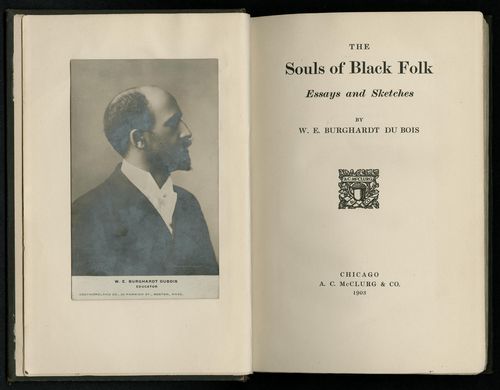
“Fifty years ago today, the great sociologist and activist, W.E.B. Du Bois passed away in Accra, Ghana.  As Roy Wilkins announced Du Bois’s passing to the marchers, fifty years ago tomorrow, Wilkins reminded the marchers and it bears remembering today, that the process that led to the March on Washington was a result of the work and struggle of Du Bois.  Wilkins then admonished those gathered and those listening by radio and television to read Du Bois’s THE SOULS OF BLACK FOLK.”

Image

Video

How Micro-Aggression Works

THIS is exactly what happens. This is how it works. This is how her young daughter’s spirit is affected. This is the sort of constant “micro-aggression” that is so hard to explain because each instance is close to petty. Mention it to many/most decent, reasonable white people and they think, “get a life; ignore the stupid clerk.”

I could tick off 50 similar experiences — usually followed by store personnel; shown to the one table in a restaurant without a candle or flowers (and next to the restrooms); asked for ID as in this case; always having to ask for another hotel room because the first one is next to the elevator and across from the housekeeping closet — nonstop noise. On and on. That’s just the make it through the day stuff.

I love that this is a crystal clear account of how this shit happens below white radar. Such daily encounters are a reason why the vaunted “conversation on race” is all but impossible to hold. Yes, these things happen to everyone from time to time. I’d say the difference is that black people recognize the pattern, know the drill, and keep taking the hit, sometimes protesting, sometimes, not.